THE BLUEPRINT FOR FOREVER WARS: How Boardrooms, Not Battlefields, Dictate Global Conflict


There’s a moment — it usually arrives in your mid-thirties, sometimes earlier if life has been generous — when the world stops feeling like a series of isolated events and starts revealing itself as a pattern.
It doesn’t come with shock, drama, or outrage. It comes the way clarity always does: quietly, almost like a whisper, just waiting for you to notice.
You’re sitting at your kitchen counter, waiting in the carpool line, or scrolling the morning headlines with the kind of detached curiosity adulthood teaches you, and suddenly the propaganda and discrepancies become impossible to ignore. Another crisis, another region, and yet another speech about freedom delivered with the same cadence you’ve heard for decades. And beneath it all is that familiar tug — the sense that the story being told is not the story being lived.
It’s not that the stories are wrong; it’s that they’re incomplete.
Styled, polished, and presented like a campaign wardrobe: flattering, aspirational, and designed to distract from the seams — and the lies hiding behind them.
For the woman who came of age watching Cuba, the lesson arrived early. Castro nationalized American-owned assets and told corporations to leave. What followed wasn’t a moral stand against communism — it was a fifty-year embargo dressed in one. The businesses that lost their foothold demanded consequence, and consequence was delivered. Not quietly, not proportionally, but with the full economic and political weight of a government that understood, even then, that access is the real currency of power. An entire nation was isolated, punished, and held at arm’s length, not because its people posed a threat, but because its leadership had the audacity to say, “This is ours.”
That was the first lesson. Some of us just didn’t recognize it yet.
For Gen X and the Millennials, the lesson arrived on a Tuesday morning in September. Nineteen hijackers. Fifteen of them, Saudi. Osama Bin Laden — also Saudi.
And we went to war with Iraq.
Let that sit for a moment.
Not Afghanistan exclusively, not Saudi Arabia, and not the specific geography of the people actually “responsible” for the attack — we went to Iraq. And the reason that eventually emerged, delivered with the full authority of a presidential address and the theatrical production of a United Nations briefing, was “Weapons of Mass Destruction.” A phrase so precisely engineered to bypass hesitation that it almost worked.
It almost worked on all of us.
They were never found. The oil fields were.
This isn’t revisionist history; it’s public record. The bait-and-switch was so brazen, so barely concealed beneath the grief of a nation that was still too raw to look closely, that pointing it out still makes people uncomfortable. Not because it isn’t true, because it is. But because once you say it out loud, you cannot un-know this inconvenient truth, and un-knowing it was so much more comfortable.
They said Saddam Hussein was dangerous; he may well have been, but he was not in those towers. And the weapons that justified two decades of deployment, trillions in spending, and a generation of men and women who came home changed — or didn’t come home at all — were never there. What was there was leverage. And access, at whatever cost, to a region sitting on something the boardrooms decided they wanted.
And then there was the Pandemic.
This one belongs to everyone still breathing.
Whatever your position on the origin — and highly intelligent, well-informed people land on different conclusions to that question — what is not debatable is what happened in the aftermath. Supply chains that revealed exactly who controlled what and for whom. PPE shortages in the wealthiest nation on earth while contracts moved with remarkable efficiency to the right recipients. A vaccine, which some deemed mRNA therapy and not even a vaccine at all, was developed, tested, authorized, and mandated at a speed that had never been achieved in the history of pharmaceutical development — while the companies producing it were granted full immunity from liability.
Liability for a product the public was in many cases required to take, some notably to their detriment.
The pharmaceutical industry and the governmental bodies designed to regulate it have always had a complicated relationship. What the Pandemic did was make that relationship visible to people who had never had reason to look before. The money that moved and the mandates that protected markets as much as, if not more than, the people. The voices that were amplified and the ones that were systematically removed from the conversation.
You don’t have to believe the darkest version of these events to recognize that something about the calculus didn’t add up. You just have to have been paying attention.
Because once you’ve lived awhile, you start to understand that America’s wars — hot wars, cold wars, economic wars, and even biological ones — don’t begin with moral urgency. They begin with someone wanting access. Access to oil fields that keep markets steady, access to mineral belts that power the next generation of technology, and access to shipping lanes that keep the global economy breathing.
In the end, the people who sit in the rooms where choices are made want access to the raw commodities and market control that enable modern life, frequently at any cost.
No one says this part out loud; not in press conferences, not in patriotic montages, and not in the curated language of stability and security. But in private — in the quiet honesty of a late-night dinner, a cup of tea, or a phone conversation between women who’ve stopped pretending they don’t see what’s right in front of them — the truth slips out with the ease of something that’s been waiting to be acknowledged.
The rhetoric changes, the incentives don’t.
Cold War: containment — a term that made geopolitics sound like a geometry lesson.
Post-9/11: weapons of mass destruction — engineered to bypass hesitation.
When that lost credibility: humanitarian intervention. Responsibility to protect and prevent atrocities.
Different decades. Different diction. Same destination.
A country attempts to reclaim its oil; suddenly it’s unstable. A leader threatens the petrodollar; suddenly he’s dangerous. A region discovers lithium; suddenly it’s strategically essential. These aren’t coincidences, they’re coordinates. The kind you only need to see once before you recognize them everywhere.
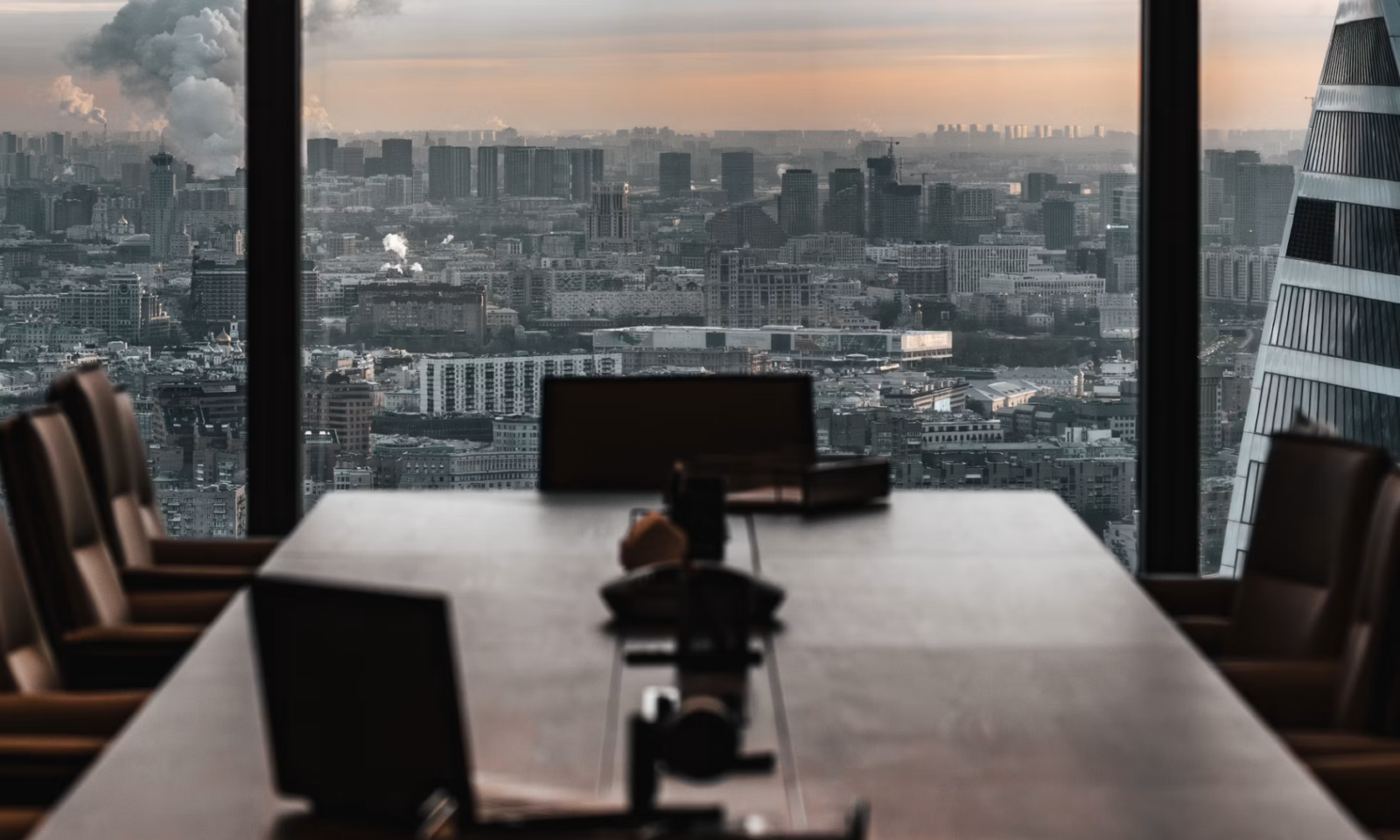
The machinery of war is deceptively banal until you understand it. Wars are forecasted, budgeted, and produced like any other enterprise. Discussed in boardrooms where the carpet is thicker than the moral arguments used to justify the next deployment. Shaped in think tanks where policy papers are drafted with the same detachment as a quarterly earnings report. Maintained by an ecosystem of contractors, consultants, and strategists who understand that conflict isn’t a disruption to the American economy — it’s one of its most reliable engines.
And the people who understand this best aren’t the ones giving the speeches. They’re the ones who glide effortlessly between government posts and defense industry board seats, carrying influence like a well-stamped passport. They know the public will fund the weapons, the deployments, the reconstruction, and the interest on the debt. They know this because it has always been true, and their lives will remain untouched by the consequences.

They know that too.
So why is this conversation happening here, in a space built for intelligent and cultured women and not policy analysts?
Because we are the ones who actually pay.
Not abstractly — specifically. We raise the children who are lost to these wars, we pay the taxes that fund them, and we carry the emotional, economic, and generational cost of every conflict long after the news cycle has moved on. We are the ones who were told, for decades, that geopolitics is too complicated, too serious, too technical, and too much.
It never was.
We notice things, we track the divergence between what is said and what is true, and we feel the pattern before it has a name. We have always known, in that part of ourselves we don’t often say out loud, that the story being told in press conferences is not the whole story. We just weren’t always sure we were allowed to say so.
You are.
We all are.
Not with outrage; outrage is loud and gets ignored, and not with fear; fear makes you easy to manage. But with the calm, grounded clarity of a woman who has finally decided she can trust what she has always internally known.
The pattern is not a theory. It’s a track record.
And once you see it, you stop waiting for someone else to confirm it. You just start having the conversation — with your sister while cooking, with your dearest friend over coffee, or with your mom while catching up over lunch — and you learn the woman across from you has been thinking the same thing.
That conversation is not insignificant; it never was.
It’s the moment everything that can actually change begins.