
THE ARCHETYPE METHOD: How Uncompromising Self-Knowledge Eradicates Decision Fatigue

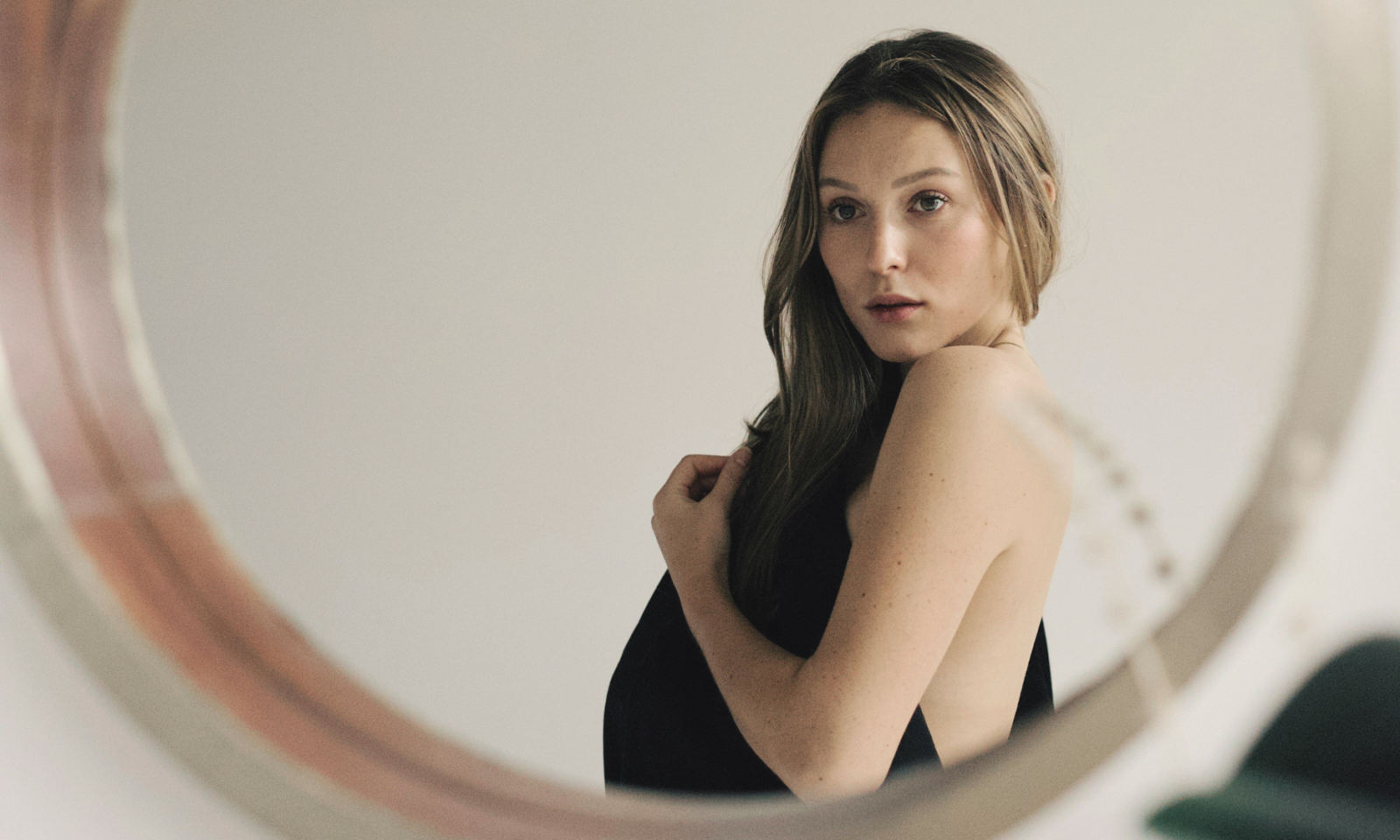

She stands there gazing into her mirror, the way so many of us do.
Half-dressed, half-determined, suspended in that private purgatory between who she was, who she wants to be, and who the world demands she be today. Her closet is overflowing with options, of course — it always is. Full of impulse buys and almost-finds; trends that promised transformation and delivered only noise.
But today is different; something has shifted.
She reaches in and bypasses the shiny, crosses over the novelty, and reaches around the hopeful option that didn’t end well — going straight for the one piece that has never betrayed her. The silhouette that feels more like her truth than a fashion trend performance. The one that, once she puts it on, the static drops, her breath deepens, and gives her permission to simply be herself. What she’s experiencing is the quiet relief that comes when the brain is spared one more micro-choice — the kind that fuels decision fatigue, that slow leak of mental energy that accumulates long before we even notice it.
That is the power and liberation that comes from truly knowing yourself. Not the performative style you believe the world will validate you for, but the quiet reclamation of something far more valuable — clarity.
The kind that doesn’t just change how you get dressed in the morning but also changes how you move in life.
The Clarity Nobody Talks About
Here is what nobody tells you about having a defined personal aesthetic: it has almost nothing to do with fashion and everything to do with knowing yourself.
When a woman understands her own visual language — her preferences, her silhouettes, her palette, her textures, and the weight and feel of the things that belong in her life — something quite extraordinary happens. What psychologists might describe as self-concept clarity begins to settle in, that rare internal steadiness that arrives when your outer choices finally stop contradicting your inner sense of self. The constant negotiation ends, and the closet stops being a battleground and becomes a functional system.
And that clarity — that small daily relief of not having to construct a “visual identity” each morning — creates a kind of cognitive spaciousness that ripples outward into everything else.
It’s not magic; it’s the brain conserving energy once it no longer has to switch between competing versions of you.
What researchers call “decision fatigue” is really just the accumulation of that invisible expenditure — the way every unnecessary micro-choice drains a little more of the mental reserves you need for the things that actually matter. Women who’ve lived this tend to describe it in less clinical terms: more like the exhaustion of never quite feeling like yourself, and the constant low-grade static of a life spent auditioning for roles you never agreed to play.
Choosing a defined aesthetic doesn’t resolve that feeling so much as reorganize it — removing the need to decide, again and again, who you are supposed to be.
Becoming Legible
There is a particular kind of woman you recognize the moment she walks into a room. Not because she’s demanding attention, but because she’s coherent. Her presence has a grammar of its own, a visual language that holds steady no matter the season, reason, or occasion, or whatever trend the algorithm decided was “in” this week. There’s a reason for it — even without knowing the term, we sense it: what we wear doesn’t just signal who we are; it shapes how we move through the world.
A woman with a distinct style has stopped auditioning, she is now inhabiting.
That shift is what archetype formation looks like in practice; not a Pinterest board or rigid uniform, but a foundation of silhouettes, colors, and textures that feel like home. A system of style that works for her
It is the difference between reaching for a jacket that slides on like a second skin, the weight of the familiar settling on your shoulders, and the cut moving with your body — and standing in front of a mirror wondering why nothing feels right, despite a closet full of options that were supposedly “perfect for you.”
Here’s where it gets truly interesting: a woman who knows her aesthetic doesn’t just know what to wear — she knows what to drive, the home that feels like hers, and how to shape the environment she inhabits. It radiates further to: what work aligns with her energy, what people belong in her world, and what hobbies will bring her the most satisfaction. Style, when grounded in genuine self-knowledge rather than trend-chasing, becomes a compass, a lens for reading the world and understanding one’s place within it.
Consider the women who have imprinted themselves on culture not through volume but through repetition so precise it becomes myth: Audrey Hepburn’s pared-back elegance, Grace Jones’s sculptural futurism, and Phoebe Philo’s austere intellectualism. None of them chased the temperature of the moment. Their consistency wasn’t stubbornness; it was psychological coherence — the rare kind that frees a woman from the exhausting churn of reinvention. Each was unmistakably herself, and in that consistency lay a power far beyond the wardrobe.
What looks like limitation from the outside rarely feels that way from within.
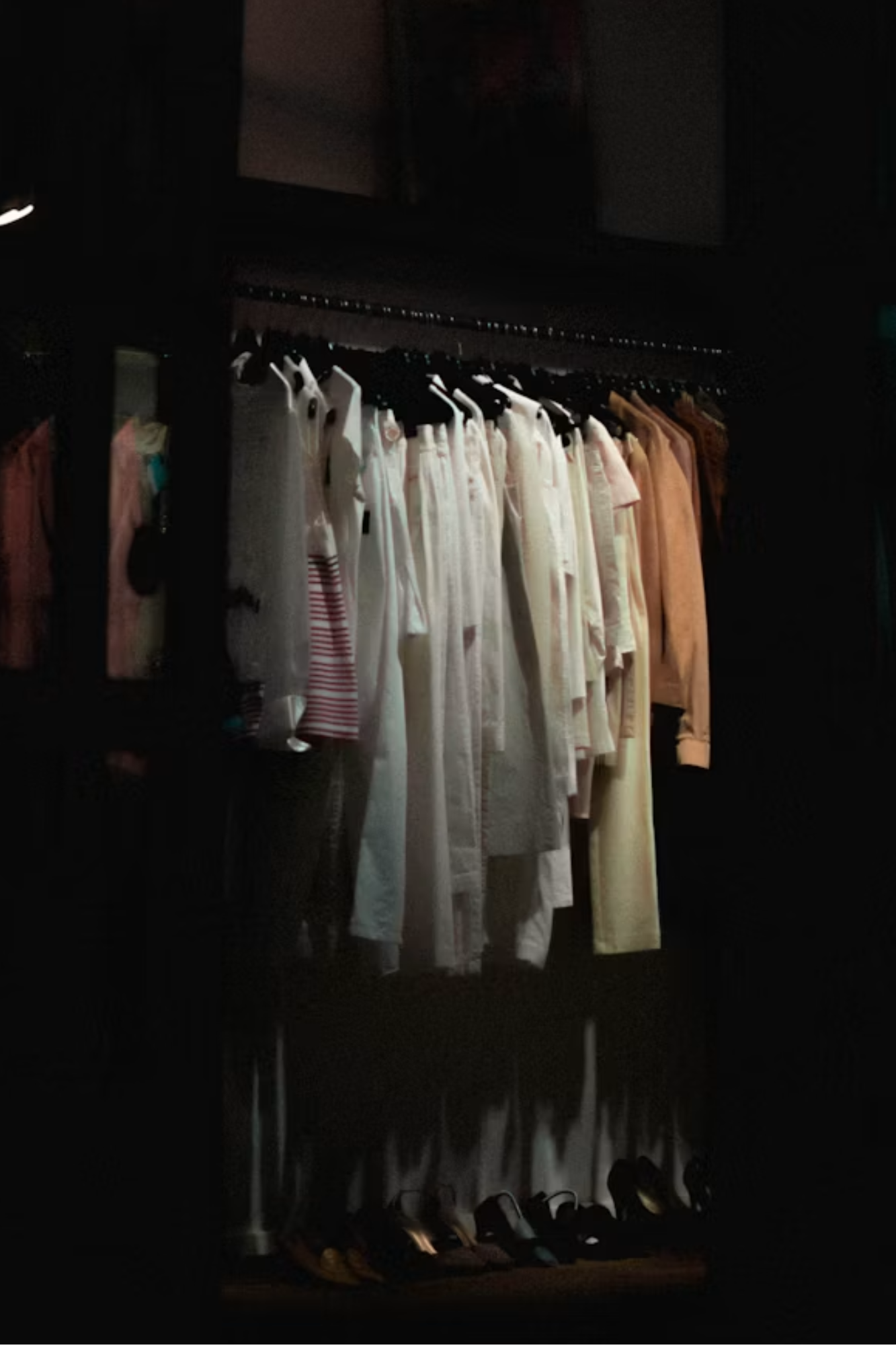
Photo: Andrei Stan
The Woman Who Shops With Intention
Let’s be clear about something — a defined aesthetic doesn’t mean a woman stops shopping, it means she shops differently. Consumer-behavior research points to this shift: the moment a woman stops buying to resolve the tension between who she is and who she thinks she should be, she ceases to purchase for her persona, and begins to invest in the person she actually is.
She walks into a store and she knows immediately; this is mine or this is not.
She doesn’t need two sales ladies fawning on her, three weeks of deliberation, and four returns to figure out what works. No accumulating orphan pieces that looked right in the moment and wrong when it counted. Instead, she invests in things that belong in her life, wearing them for years with the quiet satisfaction of a woman who chose well.

That’s discernment.
Women who endure the initial restraint of choosing a style archetype and commit to its standard tend to arrive at the same place — freedom from constantly letting the world tell them who they are.
Her wardrobe becomes a system where every piece belongs, which in turn slows the financial churn, because she’s no longer buying to please anyone but herself. She invests in continuity instead of constantly paying for reinvention, and the confidence that follows isn’t the brittle kind that depends on novelty. It’s the natural evolution from impulse buying to something far more grounded: long-term satisfaction, loyalty, and a sense of emotional regulation that comes from ritual rather than novelty.
It’s the grounded kind — the kind that grows when a woman stops wasting energy on choices that don’t matter so she can pour it into the ones that do. What modern psychology calls energy management is, in practice, simply this: identity can be both anchored and adaptive without ever feeling diluted.
What She Gains
In the end this has nothing to do with clothes and everything to do with self-knowledge.
When she commits to an aesthetic that feels like truth she steps out of the noise and into clarity. Style becomes less about acquisition and more about alignment — a way of moving through her days, her home, her work, and her relationships with the quiet authority of a woman who knows exactly who she is.
What she gains is liberation, the freedom of not negotiating with herself every morning. The calm of knowing her own lines and the internal compass that guides not just her closet but her life.
Her wardrobe becomes a reflection of her interior life; edited, intentional, and unmistakably hers.
And in that alignment she becomes someone the world can read with ease — not because she made herself simple, but because she made herself clear.
Style stops being a surface and becomes a language — one she has finally stopped imitating and begun to speak in her own voice.