
THE BIOTECH TABLE: Why Our Food Supply Was Handed to Chemists, and the Cost of Buying It Back

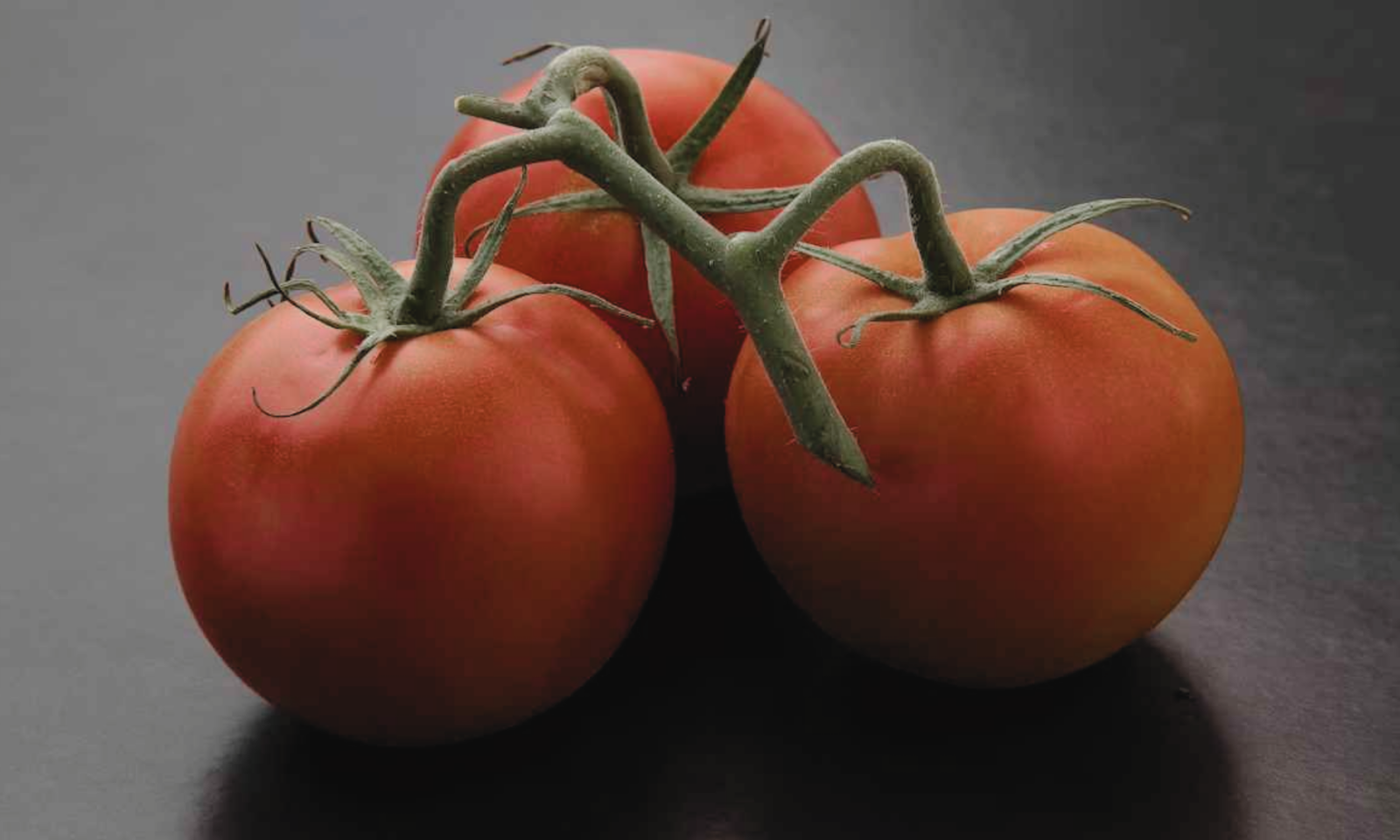

Before everything got shrink-wrapped and lab-engineered, food had a kind of reliable imprint—the kind your body recognized before your mind even had time to form an opinion. Strawberries that tasted like June, tomatoes that tasted like the sun’s favorite child, and melons worth waiting all summer for. You didn’t have to “source” anything; the source was obvious: a field, a farmer, a season.
Food was finite, specific, and occasionally inconvenient. It bruised, it wilted, and went through moody cycles. It reminded you that nature was in charge and you were merely a participant.
And then the table changed—quietly, clinically, so subtly you might have missed the shift. The sensory memory of food, the real kind, the kind with dirt under its nails, was replaced by something engineered never to surprise you. Predictable, durable, shelf-stable in every sense of the word.
That’s the trick with replacements: they arrive disguised as improvements. But if you had ever tasted a peach that dripped down your wrist or lettuce that actually smelled alive, you felt the disturbance.
A faint wrongness, and thinning of the authentic signal.
This is the before, the last clean snapshot, right before the world decided food didn’t need a season, a source, or a face—just a patent number and a marketing plan.
The Room Nobody Watched
It didn’t happen with a coup or a headline. It happened the way most structural shifts do: politely, procedurally, and behind closed doors — where access is granted, not assumed, and clearance decides what reality you’re allowed to enter.
One day, a seed was a precious commodity a farmer saved in a jar, a lineage passed down like a family heritage. Next, it was intellectual property or a legal asset, as defined by people who’ve never grown an ounce of food. The transformation was so incremental it felt benign — a tweak here, a modification there, a little innovation to help crops survive the very chemicals designed to kill everything around them.
And while everyone was arguing about carbs or kale or whether margarine was a hate crime, the architecture of the food system was quietly rewritten. Not by farmers; by chemists, lawyers, and executives who had never knelt in soil a day in their lives.
Control the seed, and you control the field. Control the field, and you control the farmer. Control the farmer, and you control everything we eat.
All perfectly legal and perfectly public, but also perfectly invisible unless you knew what you were looking at.
Patents became the new fences, and agrochemical giants became the new landlords. Farmers were no longer guardians of land handed down through generations and instead became tenants on land they technically owned but no longer controlled.
And the rest of us were told it was progress while the gate quietly swung shut behind us.
What the Brochure Left Out
The inconvenient truth is that GMOs did deliver.
They weren’t sold on fairy dust; they were sold on outcomes, and for a while, those outcomes arrived exactly as promised—yields rose meaningfully as crops began to survive drought and pest pressure that had once wiped out entire regions, shelf life stretched in ways that kept supermarket shelves reliably stocked, and accessibility—the word corporations love because it sounds altruistic — did, in fact, improve.
If you were a farmer staring down a ledger that never quite balanced, a seed that could survive the chemical storm wasn’t a temptation; it was a lifeline. GMOs didn’t enter the food system as villains.
They entered as problem-solvers, but every bargain has a next page.
Long-term ecological data? Still developing.
Soil health after decades of engineered monoculture? Complicated.
The ripple effects of altering genetic pathways in open ecosystems? Not fully mapped.
Science is brilliant, but it answers the questions it is funded to ask, and for decades, the funding favored speed and market share over the slow, unglamorous work of understanding what happens when you rewrite nature’s rules.
GMOs delivered exactly what they were engineered to deliver. The bill for everything else, the soil, the water, the biodiversity, and the human body, is still itemizing itself. Pretending uncertainty is the same as safety is the most dangerous bargain of all.

Designed to Confuse
Packages speak in poetry: natural, organic, non-GMO, clean, real, pure. Words engineered to soothe you into thinking you’re making an informed choice, while keeping the real mechanics just out of reach. “Natural” has no legal definition. “Organic” has one, but it’s porous. “Non-GMO” is routinely slapped on foods that never had a GMO version — a marketing halo, not a disclosure.
The truth shows up in the smallest, least glamorous place: the sticker. Those five-digit PLU codes are the closest thing to honesty the modern food system still offers. A number starting with 9 means organic, and a 3 or 4 means conventional. And the 8 — the code meant to identify GMOs — quietly disappeared once consumers realized what it signified. Too simple and transparent. So the industry retired it, letting the marketing language take over.
Language that obscures, numbers that reveal, and a shopper expected to decode both while juggling a life. The confusion isn’t accidental. It’s the design.
Eat with Awareness
Eating outside the system isn’t a lifestyle; it’s a quiet act of defiance.

The elegant kind, the kind you execute in sunglasses with a canvas tote and a sense of purpose.
You start where the signal is still strong: the real farmers market — not the one with lavender lattes and $40 bouquets, but the ones where the growers have dirt under their nails and don’t pretend otherwise. You can ask a question and get an answer that isn’t rehearsed. You can look someone in the eye and know exactly who grew your food, how, and why.
Then there are CSAs — a weekly box from a farm you can drive to, walk through, shake hands with. It’s seasonal, not curated; you get what the land produced, not what a boardroom prioritized.
Certifications can help, but only the ones with real audits, real standards, and real consequences if you don’t meet them. And then there are the rare brands that practice transparency instead of performing it — the ones that show you their supply chain without being asked. They exist, they’re just not the ones shouting loudest.
This isn’t about purity. It’s about reclaiming agency in a system designed to make you feel grateful for whatever ends up in your cart.
The Quiet Rearrangement
Revolution here looks less like storming gates and more like adjusting your sunglasses, squaring your shoulders, and making the kind of choices that quietly rearrange the power structure. The kind that doesn’t need a speech because the grocery receipt already says everything.
Once you understand how the system works, you stop treating it like fate and start treating it like infrastructure. And infrastructure can be rerouted, dollars redirected, policies shaped, and the culture steered. The people who do the steering are never the ones shouting — they’re the ones paying attention.
Every purchase is a vote.
A shift in product demand travels farther than any petition. Support the growers who still know their land, back the brands that show you their supply chain without being begged, and champion policies that protect the soil instead of the shareholders.
The food machine can withstand outrage; it’s built for that. What it cannot withstand is a million small, intelligent refusals: people who know exactly what they’re doing and do it anyway.
Call it a revolt if you want.
It feels more like a woman adjusting her coat, lifting her chin, and walking straight through the noise — not because she’s trying to make a point, but because she already has one.